Retail Store Painting in Denver: Creating Brand-Consistent Commercial Spaces
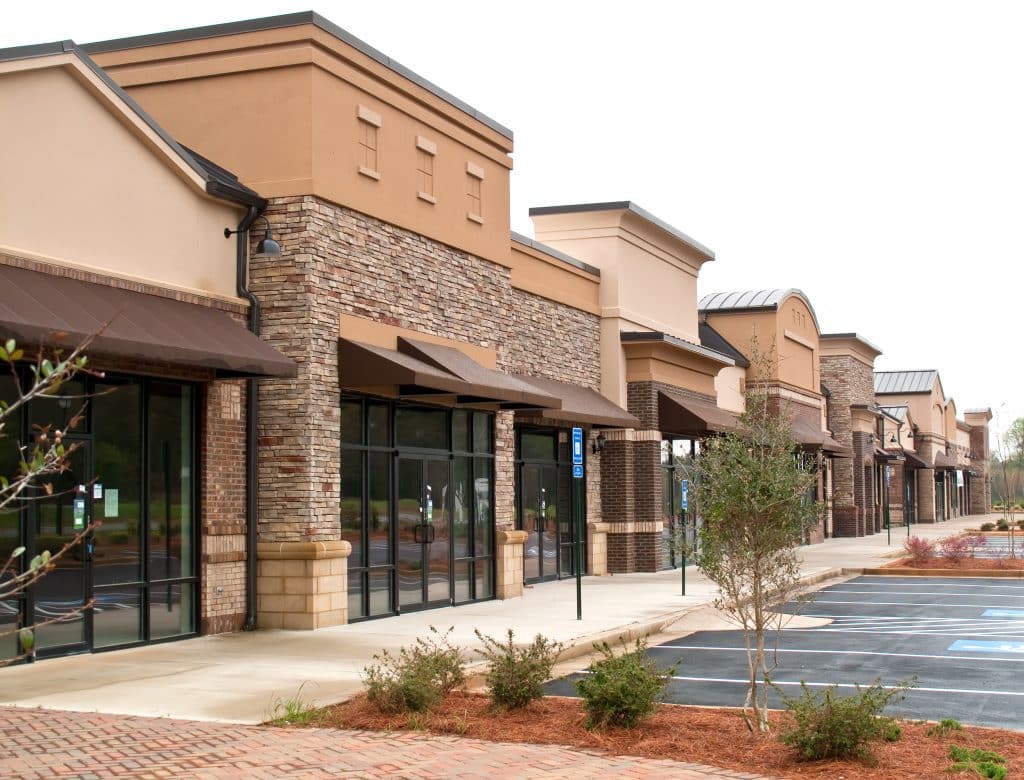
Denver’s thriving retail landscape, from the upscale boutiques of Cherry Creek North to the trendy shops in RiNo and the massive retail complexes throughout the metro area, demands more than just attractive paint jobs—it requires strategic color implementation that reinforces brand identity while withstanding the unique challenges of Colorado’s high-altitude environment. Retail store painting represents a critical intersection where brand psychology meets practical durability requirements, creating spaces that not only look stunning on opening day but maintain their visual impact through years of heavy foot traffic, intense UV exposure, and the temperature fluctuations that characterize Denver’s dynamic climate. Understanding how to navigate this complex landscape of brand requirements, environmental challenges, and operational constraints empowers retail business owners to make informed decisions that protect their investment while creating memorable customer experiences that drive sales and build brand loyalty.
Brand consistency in retail environments extends far beyond simply matching corporate color codes, encompassing a sophisticated understanding of how colors interact with lighting systems, merchandising displays, and customer psychology to create cohesive brand experiences that resonate across multiple locations. National retailers operating in Denver face unique challenges when implementing brand standards developed for different climates and altitudes, as colors that appear vibrant at sea level can look washed out under Colorado’s intense high-altitude sunshine. Similarly, corporate paint specifications designed for humid coastal environments may prove inadequate for Denver’s dry climate and extreme temperature swings, requiring local expertise to adapt brand colors using paint formulations that maintain color integrity while providing the durability necessary for successful retail operations.
The psychology of retail color selection becomes particularly complex in Denver’s diverse commercial districts, where stores must appeal to both local residents and the millions of tourists who visit the Mile High City annually. Cherry Creek’s luxury retail environment demands sophisticated color palettes that convey exclusivity and quality, often utilizing neutral backgrounds that allow high-end merchandise to take center stage while incorporating strategic accent colors that reinforce brand positioning. Conversely, retail spaces in trendy neighborhoods like Highlands or Berkeley require color approaches that reflect the area’s creative energy while remaining flexible enough to accommodate the evolving tastes of Denver’s young professional demographic. Understanding these market-specific requirements enables retailers to implement brand colors in ways that resonate with their target customers while maintaining consistency with their broader brand identity.
Denver’s elevation and climate create unique technical challenges for retail paint systems that many contractors fail to adequately address, leading to premature color fading, chalking, and surface degradation that can undermine brand consistency within months of application. The city’s mile-high altitude exposes painted surfaces to UV radiation levels approximately 25% higher than sea-level locations, accelerating photochemical breakdown of paint pigments and requiring specialized formulations with enhanced UV protection. Additionally, Denver’s dry climate and extreme temperature variations—from below-zero winter nights to summer days exceeding 100 degrees—create expansion and contraction stresses that can cause standard retail paints to crack, peel, or develop color inconsistencies that compromise brand presentation.
High-traffic considerations in retail environments demand paint systems that maintain color integrity and surface appearance despite constant exposure to shopping carts, strollers, and the inevitable scuffs and marks that accompany busy retail operations. Standard architectural paints often prove inadequate for retail applications, particularly in high-touch areas like checkout zones, dressing rooms, and entrance areas where surface damage can quickly make spaces appear worn and unprofessional. Professional retail painting requires specialized high-performance coatings that combine superior color retention with enhanced durability and cleanability, ensuring brand colors remain vibrant and surfaces stay attractive throughout the demanding retail environment.
Lighting integration represents a critical but often overlooked aspect of retail store painting that can make or break brand color implementation in Denver’s diverse retail spaces. The combination of natural daylight streaming through large retail windows and artificial lighting systems creates complex color-rendering challenges that require careful paint selection and application techniques. Colors that look perfect under fluorescent lighting during construction may appear dramatically different under the LED systems increasingly popular in retail applications, while merchandise lighting can create hot spots that alter color perception throughout the day. Successful retail painting projects account for these lighting variables during the specification process, often requiring custom color matching and on-site testing to ensure brand colors perform consistently across all lighting conditions.
Security and operational considerations during retail painting projects require specialized coordination that goes far beyond typical commercial painting logistics, as retailers cannot afford extended closures that impact sales revenue and customer relationships. Most retail painting must occur during non-business hours, requiring contractors to complete setup, application, and cleanup within tight timeframes while maintaining quality standards. Additionally, retail environments often contain valuable inventory, sensitive electronics, and sophisticated security systems that require special protection and coordination procedures. Professional retail painters understand these constraints and develop project schedules that minimize business disruption while ensuring proper surface preparation and application techniques that deliver long-lasting results.
Merchandising integration becomes crucial when planning retail paint projects, as color selections must complement rather than compete with the products and displays that define the customer experience. Clothing retailers require neutral backgrounds that showcase fabric colors and patterns without creating visual conflict, while electronics stores benefit from darker colors that make bright screens and metallic finishes appear more vibrant. Food retailers face additional challenges, as certain colors can psychologically influence appetite and purchasing decisions—warm colors like reds and oranges stimulate appetite and impulse buying, while cool blues and greens can have the opposite effect. Understanding these merchandising psychology principles enables retailers to select paint colors that enhance rather than hinder their sales objectives.
Maintenance and touch-up considerations play a vital role in maintaining brand consistency over time, particularly in Denver’s retail environments where high traffic and environmental factors can quickly degrade paint appearance. Successful retail paint specifications include detailed maintenance protocols and touch-up procedures that enable store staff to address minor damage quickly before it becomes noticeable to customers. This requires paint systems with excellent color matching properties and application characteristics that allow seamless repairs without creating visible patch marks or color variations. Additionally, maintenance programs must account for Denver’s unique environmental factors, including dust infiltration from nearby construction and seasonal debris from the city’s abundant trees.
Seasonal considerations affect retail painting projects in Denver differently than in other markets, as the city’s dramatic seasonal changes create both challenges and opportunities for color implementation. Spring painting projects must account for potential late-season snowstorms and temperature fluctuations that can affect paint curing, while summer projects face extreme heat and intense UV exposure that require adjusted application techniques. Fall represents an optimal painting season in Denver, with stable temperatures and lower humidity levels, but projects must be completed before winter weather arrives. Winter painting becomes possible only with specialized low-temperature paint formulations and climate-controlled application environments, making project scheduling critical for retailers with time-sensitive opening requirements.
Technology integration in modern retail environments creates additional complexity for painting projects, as spaces must accommodate everything from digital displays and interactive kiosks to wireless networking equipment and sophisticated point-of-sale systems. Paint applications near electronic equipment require low-VOC formulations that won’t damage sensitive components, while surfaces near heat-generating electronics need enhanced thermal resistance. Additionally, the growing trend toward omnichannel retail experiences, where online and physical shopping intersect, requires paint colors that photograph well under various lighting conditions for social media and marketing photography.
Sustainability considerations increasingly influence retail paint selections in Denver, where environmentally conscious consumers and corporate responsibility initiatives drive demand for eco-friendly paint systems. Low-VOC and zero-VOC paints not only benefit indoor air quality for employees and customers but also support corporate sustainability goals and may qualify for green building certifications. However, sustainable paint options must still meet the durability and performance requirements essential for retail environments, requiring careful product selection that balances environmental responsibility with practical performance needs.
Cost management in retail painting projects extends beyond initial application costs to include long-term maintenance expenses, business interruption costs, and the potential revenue impact of color choices on sales performance. While premium paint systems may cost more initially, their superior durability and color retention often provide better long-term value by reducing repainting frequency and maintenance requirements. Additionally, professional color consultation services, though representing an additional upfront cost, can prevent expensive mistakes and ensure color selections support rather than hinder business objectives.
Multi-location consistency challenges face retailers operating multiple Denver-area stores, where maintaining identical brand presentation across different buildings, lighting conditions, and environmental exposures requires sophisticated color management systems. Professional retail painters develop detailed color documentation and application protocols that ensure consistency across locations while accounting for the specific conditions at each site. This systematic approach prevents the color variations that can undermine brand perception and create customer confusion about brand identity.
Quality control and final inspection procedures for retail painting projects must address both aesthetic and functional requirements, ensuring surfaces not only look perfect but can withstand the demanding retail environment. Professional inspections include color accuracy verification under various lighting conditions, surface durability testing, and coordination with other trades to ensure paint systems integrate properly with flooring, fixtures, and merchandising systems. Additionally, final inspections should include documentation that supports warranty coverage and provides guidance for future maintenance activities.
When you’re ready to create a retail environment that reinforces your brand identity while withstanding the unique challenges of Denver’s market and climate, Imperial Painters brings the specialized expertise necessary to deliver exceptional results that support your business objectives. Our team understands the complex intersection of brand requirements, environmental factors, and operational constraints that define successful retail painting projects, and we use proven systems and techniques specifically adapted for Denver’s high-altitude conditions. Contact Imperial Painters today to discuss your retail painting needs and discover how our commitment to quality, efficiency, and brand consistency can help create retail spaces that attract customers, support sales, and build lasting brand loyalty in the competitive Denver market.
Have a painting project?
We'd love to help you out! Please fill out this form to share a few project details and schedule your free estimate.
"*" indicates required fields