Deck and Fence Staining vs. Painting: Colorado Climate Considerations
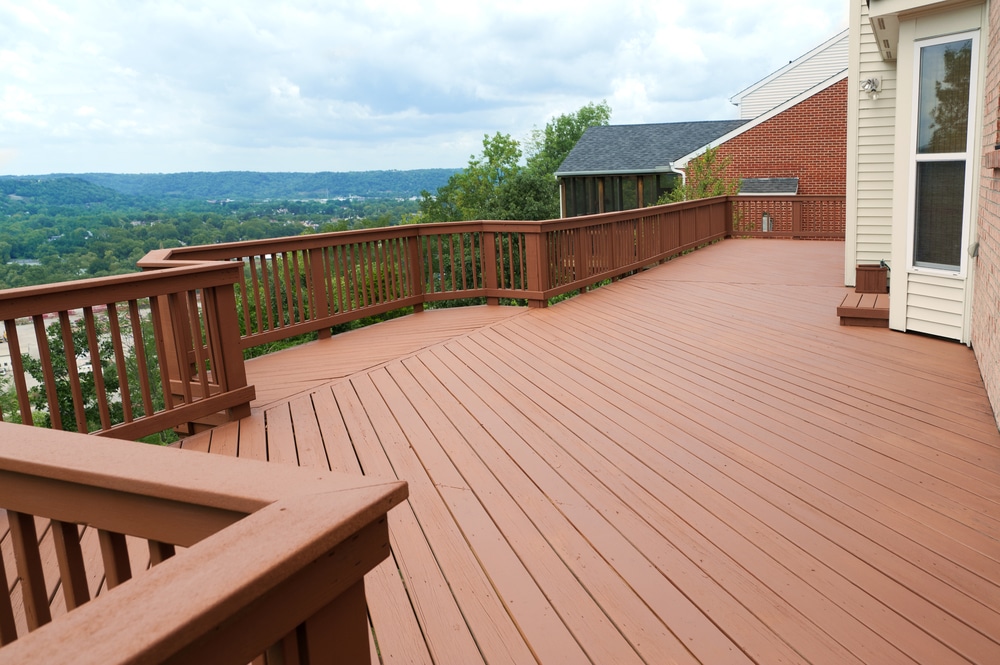
When it comes to protecting and beautifying your outdoor wooden structures in Colorado, the decision between staining and painting your deck or fence involves much more than simple aesthetic preferences. Colorado’s unique climate presents specific challenges that can dramatically impact the performance, longevity, and maintenance requirements of your chosen finish. Understanding these climate factors and how they interact with different coating options will help you make an informed decision that protects your investment while enhancing your outdoor living space.
Understanding Colorado’s Challenging Climate
Colorado’s climate is characterized by extreme weather variations that can be particularly harsh on outdoor wooden structures. The state experiences intense UV radiation due to its high altitude, with some areas receiving up to 25% more UV exposure than sea-level locations. This increased UV intensity breaks down wood fibers and degrades protective coatings much faster than in other regions. The thin atmosphere at higher elevations provides less natural protection from the sun’s damaging rays, making proper surface protection absolutely critical.
Temperature fluctuations in Colorado can be dramatic, with daily swings of 30-40 degrees Fahrenheit being common, especially during spring and fall. These rapid temperature changes cause wood to expand and contract repeatedly, creating stress on any protective coating applied to the surface. Additionally, Colorado’s arid climate means that wood dries out quickly, becoming more susceptible to cracking, splitting, and checking. The combination of low humidity and high elevation creates conditions that can rapidly deteriorate unprotected wood surfaces.
Winter conditions add another layer of complexity to the equation. While Denver and the Front Range might experience relatively mild winters, areas throughout Colorado can face months of snow and ice coverage. The freeze-thaw cycles that occur as temperatures fluctuate around freezing can be particularly damaging to wood structures, as moisture that penetrates into the wood expands when it freezes, creating internal pressure that can cause splitting and other damage.
The Science Behind Staining and Painting
Wood stains and paints protect surfaces through fundamentally different mechanisms, each offering distinct advantages in Colorado’s challenging environment. Stains penetrate into the wood fibers, creating protection from within while allowing the wood to breathe naturally. This penetrating protection moves with the wood as it expands and contracts, reducing the likelihood of the protective coating cracking or peeling. Most quality stains also contain UV inhibitors that help prevent the sun’s rays from breaking down the wood’s lignin, which is responsible for the wood’s structural integrity and natural color.
Paint, on the other hand, creates a protective barrier on the surface of the wood. This film-forming coating provides excellent protection against moisture penetration and UV damage when properly applied and maintained. High-quality exterior paints contain advanced polymer resins that remain flexible as they cure, allowing them to accommodate the natural movement of wood while maintaining their protective properties. Modern paint formulations also include sophisticated UV blockers and stabilizers that help preserve both the coating and the underlying wood.
The choice between these protection methods becomes critical in Colorado’s climate because each responds differently to the state’s unique environmental stresses. Stains must be reapplied more frequently but are generally more forgiving when maintenance is delayed. Paint provides longer-lasting protection when properly maintained but can fail more dramatically when moisture penetrates behind the coating.
Staining: Advantages in Colorado’s Environment
Staining offers several significant advantages for Colorado homeowners, particularly for deck and fence applications. The penetrating nature of stain means it’s less likely to peel or flake, even when subjected to Colorado’s intense UV radiation and temperature fluctuations. This characteristic makes stained surfaces more forgiving of delayed maintenance, an important consideration for busy homeowners who might not be able to perform annual touch-ups.
The breathability of stained wood is particularly beneficial in Colorado’s climate. As moisture levels fluctuate between the arid summer conditions and the snow and rain of other seasons, wood needs to be able to release moisture naturally. Stains allow this natural moisture transfer while still providing protection against weather damage. This breathability also helps prevent the moisture buildup that can lead to rot, mildew, and other forms of deterioration.
Semi-transparent stains are especially popular in Colorado because they provide excellent UV protection while still showcasing the natural beauty of the wood grain. This is particularly important for homeowners who want to maintain the natural appearance of cedar, redwood, or other attractive wood species commonly used for outdoor structures. The UV protection is crucial in Colorado’s high-altitude environment, where unprotected wood can begin showing sun damage within a single season.
Maintenance of stained surfaces is generally more straightforward and less labor-intensive than painted surfaces. When it’s time to reapply stain, the surface typically requires less preparation work. There’s no need to scrape off peeling paint or deal with the adhesion issues that can arise when painting over existing paint. The reapplication process usually involves cleaning the surface and applying a new coat of stain, which penetrates into the existing stained wood and refreshes the protection.
Painting: Superior Protection for Long-Term Investment
Paint provides the most comprehensive protection available for wood surfaces, which can be particularly valuable for expensive deck and fence installations. The film-forming nature of paint creates an effective barrier against moisture penetration, UV damage, and the other environmental factors that can deteriorate wood over time. In Colorado’s intense UV environment, a quality exterior paint can provide significantly longer protection than stain, potentially extending the life of the underlying wood structure.
Color retention is another significant advantage of paint in Colorado’s sunny climate. While stained surfaces will gradually fade and require refreshing to maintain their appearance, high-quality paints are formulated to resist fading and maintain their color integrity for many years. This is particularly important for homeowners who want to maintain a specific color scheme or appearance for their outdoor living spaces.
Paint also offers unlimited color options, allowing homeowners to coordinate their deck and fence with their home’s exterior color scheme or create bold design statements. This flexibility can be especially valuable for contemporary home designs or when trying to achieve specific aesthetic goals. The ability to choose any color also allows homeowners to select lighter colors that reflect heat, potentially keeping deck surfaces cooler during Colorado’s intense summer sun.
The durability of paint makes it an excellent choice for high-traffic areas or structures that receive heavy use. Painted surfaces are easier to clean and maintain on a day-to-day basis, and they resist staining from outdoor activities, barbecue grease, and other common deck and fence contaminants. This practical advantage can be particularly important for families who use their outdoor spaces extensively.
Climate-Specific Maintenance Considerations
Colorado’s climate creates specific maintenance requirements that homeowners must understand regardless of whether they choose staining or painting. The intense UV radiation means that any protective coating will degrade faster than in most other locations. This reality necessitates more frequent maintenance cycles, with most stained surfaces requiring attention every 1-3 years and painted surfaces typically needing renewal every 3-7 years, depending on exposure and quality of the original application.
The timing of maintenance becomes crucial in Colorado’s climate. The best time for staining or painting is typically late spring through early fall, avoiding the temperature extremes and moisture conditions of winter and early spring. However, Colorado’s unpredictable weather patterns mean that homeowners need to be flexible and prepared to take advantage of suitable weather windows when they occur.
Moisture management is particularly critical in Colorado’s arid climate. While the dry conditions mean that surfaces dry quickly after application, they also mean that wood can become extremely dry and absorb the first coat of stain or paint rapidly. This can necessitate additional coats or special preparation techniques to ensure adequate protection. Professional contractors understand these local conditions and adjust their application techniques accordingly.
The elevation and slope orientation of deck and fence surfaces significantly impact their exposure to Colorado’s intense sun and weather conditions. South and west-facing surfaces receive the most intense UV exposure and typically require more frequent maintenance. North-facing surfaces may stay damp longer after storms but receive less UV damage. Professional assessment of these factors helps determine the optimal protection strategy for each specific installation.
Wood Species Considerations in Colorado
The type of wood used for your deck or fence significantly influences the choice between staining and painting. Cedar and redwood, popular choices for Colorado outdoor projects, contain natural oils and tannins that provide some inherent protection against insects and decay. These wood species typically perform better with staining, as the stain enhances their natural protective properties while allowing their beauty to show through.
Pressure-treated lumber, commonly used for structural components and budget-conscious projects, often benefits more from painting. The chemical treatment process can make the wood less attractive visually, and paint can provide a uniform, attractive appearance while offering maximum protection. However, pressure-treated lumber requires proper preparation and timing, as the chemical treatment can interfere with coating adhesion if not properly managed.
Exotic hardwoods like ipe or mahogany present unique challenges in Colorado’s climate. These dense woods can be difficult to stain effectively, as their tight grain structure resists penetration. However, their natural density and oil content often provide excellent inherent protection. Professional assessment is particularly important with exotic hardwoods to determine the most appropriate protection strategy.
Engineered lumber products and composite materials require special consideration. While some composite products never need staining or painting, others benefit from protective coatings to prevent fading and surface degradation. Understanding the manufacturer’s recommendations and warranty requirements is essential when working with these modern materials.
Cost Analysis: Initial Investment vs. Long-Term Value
The financial considerations of staining versus painting extend well beyond the initial application cost. While staining typically costs less initially, the more frequent maintenance requirements can result in higher long-term costs when professional application is used. Paint generally requires a higher initial investment but can provide longer intervals between major maintenance cycles.
Labor costs represent a significant portion of any professional application project. Staining typically requires less surface preparation, which can reduce labor costs initially. However, the more frequent reapplication schedule means that these costs recur more often. Painting requires more thorough surface preparation, especially when dealing with previously painted surfaces, but the longer service life can provide better value over time.
Material costs vary significantly based on quality levels chosen. Premium stains and paints command higher prices but typically provide much better performance and longevity than economy products. In Colorado’s challenging climate, investing in high-quality materials is particularly important for achieving satisfactory long-term performance.
The impact on property value should also be considered in the cost analysis. Well-maintained painted surfaces often provide a more upscale appearance that can enhance property value, while beautifully stained natural wood can appeal to buyers who appreciate the natural aesthetic. The key is maintaining whichever finish is chosen consistently over time.
Professional Application vs. DIY Considerations
The complexity of achieving optimal results with either staining or painting in Colorado’s climate makes professional application an attractive option for many homeowners. Professional contractors understand the local climate challenges and have experience with the techniques needed to achieve long-lasting results. They also have access to commercial-grade products that may not be available to homeowners and the equipment needed for efficient, high-quality application.
Surface preparation is particularly critical in Colorado’s climate and represents an area where professional expertise can make a significant difference. Proper cleaning, sanding, and priming techniques ensure that the chosen coating adheres properly and performs as expected. Professionals also understand the importance of moisture content testing and weather monitoring to ensure optimal application conditions.
The timing and technique of application can significantly impact the performance of both stains and paints. Professionals understand how to adjust their application methods for Colorado’s low humidity and intense UV conditions. They also have the experience to recognize when conditions are not suitable for application and the flexibility to adjust schedules accordingly.
Warranty and guarantee considerations often favor professional application. Many product manufacturers offer extended warranties when their products are applied by certified professionals, and professional contractors typically guarantee their work. This protection can provide valuable peace of mind and financial protection for homeowners making significant investments in their outdoor structures.
Making the Right Choice for Your Property
The decision between staining and painting your deck or fence should be based on a careful evaluation of your specific circumstances, preferences, and goals. Consider the age and condition of your wood structures, as newer wood often benefits more from staining while older or previously painted structures might be better candidates for paint. The architectural style of your home and your personal aesthetic preferences should also influence your decision.
Maintenance capabilities and preferences play a crucial role in the decision-making process. If you prefer more frequent, less intensive maintenance tasks, staining might be the better choice. If you prefer to invest more initially for longer periods between major maintenance cycles, painting could be more suitable. Your available time, physical capabilities, and budget for ongoing maintenance should all factor into this decision.
Environmental exposure levels vary significantly even within the same property. Areas that receive intense sun exposure, moisture from sprinkler systems, or heavy traffic might benefit from different protection strategies than areas that are more sheltered. A comprehensive evaluation of these factors can help determine whether a single approach is suitable for your entire project or whether different areas might benefit from different protection strategies.
Conclusion: Expert Guidance for Optimal Results
Choosing between staining and painting your deck or fence in Colorado’s challenging climate requires careful consideration of multiple factors, from the specific wood species and current condition to your long-term maintenance preferences and aesthetic goals. The intense UV radiation, dramatic temperature fluctuations, and unique moisture conditions of Colorado’s environment make professional expertise particularly valuable in achieving optimal, long-lasting results.
Whether you decide on the natural beauty and breathability of stain or the comprehensive protection and color options of paint, proper application and ongoing maintenance are essential for protecting your investment and maintaining the beauty of your outdoor living spaces. The complexity of Colorado’s climate conditions and the significant investment represented by deck and fence structures make professional consultation and application a wise choice for most homeowners.
Imperial Painters brings extensive experience with Colorado’s unique climate challenges and understands the specific techniques needed to achieve exceptional results with both staining and painting applications. Our team can help you evaluate your specific needs, recommend the optimal protection strategy, and ensure professional application that will provide years of beautiful, durable protection for your outdoor structures. Contact Imperial Painters today to discuss your deck and fence protection needs and discover how our expertise can help you make the best choice for your property and lifestyle.
Have a painting project?
We'd love to help you out! Please fill out this form to share a few project details and schedule your free estimate.
"*" indicates required fields